
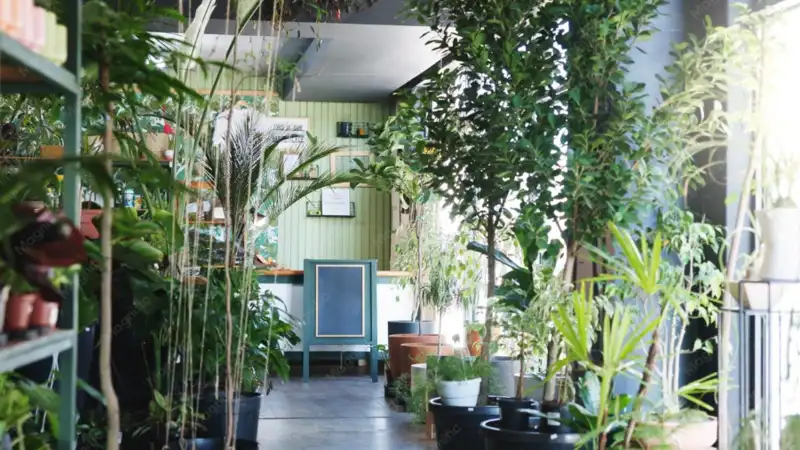
A commercial property in Houston or Dallas that looks great in March can be a scorched, patchy mess by August. Texas summers are not forgiving to landscapes designed for milder climates, and office exteriors that rely on non-native plants, poorly chosen turf, or zero shade strategy end up costing far more in water, maintenance, and curb appeal than their owners expected. Getting the exterior right from the start means making choices built around the Texas climate, not borrowed from somewhere else.
Why the Texas Climate Demands a Different Approach
Most of the country can get away with a fairly generic landscaping strategy. Texas cannot. The state spans multiple hardiness zones, swings between drought and flooding with little warning, and delivers summer heat that pushes well past what many ornamental plants can handle. An office exterior designed for Texas needs to account for all of it.
The Water Factor
Irrigation is one of the most significant ongoing costs for any commercial property with substantial green space. Choosing the wrong plants makes that cost permanent. Because native plants are adapted to local environmental conditions, they save time, money, and water. Native plants can cut water consumption by 60% compared to traditional nonnatives. For a large commercial campus, that difference shows up directly on the utility bill every month.
The Maintenance Reality
Native plants are naturally resilient and require minimal intervention to thrive, reducing maintenance and upkeep costs for commercial properties. That means fewer service visits, less fertilizer, and less replanting after a brutal summer. The labor savings alone justify the shift for most property managers who have tried to keep non-native plantings alive through a Texas drought.
Reading the Soil and Sun
Texas soils vary dramatically, from the clay-heavy Houston area to the rocky limestone of the Hill Country to the sandy loam around San Antonio. Before any planting plan goes in, the site needs to be read for drainage, sun exposure, and prevailing wind. A plant that thrives in Austin can struggle in Beaumont. Matching plant selection to the specific microclimate of the property is the single most important step in any Texas landscaping project.
Choosing Native Plants for a Professional Exterior
Native plants do not mean a wild or unkempt look. With the right selections, a commercial property can achieve a polished, structured appearance that performs well year-round.
Texas Sage (Leucophyllum frutescens) is a drought-tolerant shrub known for its purple or pink blooms and aromatic foliage, adding color and texture to commercial landscapes. It holds its shape well and reads as intentional rather than naturalistic, which matters for office environments where first impressions count.
Live Oak (Quercus virginiana), an iconic Texas native, offers timeless beauty, shade, and structural interest, making it a staple of sustainable commercial landscaping. A mature Live Oak anchors an entrance or parking area in a way no fast-growing ornamental can replicate. Nothing else comes close.
Other strong choices for commercial settings include:
- Pink Muhly Grass for seasonal color and movement without aggressive spreading
- Texas Mountain Laurel for fragrant spring blooms and dense evergreen screening
- Yaupon Holly for formal hedging that tolerates both drought and wet spells
- Black-Eyed Susan for low-maintenance color in sunny border beds
- Inland Sea Oats for shaded areas where most grasses struggle
Native plants are resilient to the weather extremes experienced in Houston, from intense heat to heavy rains, which keeps the landscape functional and attractive year-round.
Getting the Turf Right
Turf is where many Texas office exteriors go wrong. The lawn areas around an office building take constant foot traffic, UV exposure, and irregular irrigation, so the grass variety matters as much as any other plant decision. St. Augustine holds up well in Houston’s humid conditions and tolerates shade, while Bermuda is the go-to for full-sun applications across most of the state. Zoysia offers a middle ground, with good drought tolerance and a finer texture that photographs well for property listings.
Understanding the best types of grass for Houston and Texas in general helps narrow the field quickly. The right choice depends on the amount of shade the turf receives, the expected foot traffic, and whether the irrigation system can support a higher-water variety through the summer months. Getting that decision right at the planning stage prevents the expensive cycle of reseeding or re-sodding every few years.
Texas is home to an abundance of native plants naturally adapted to the region, and most have lower water demands, fewer pest problems, and less fertilizer needs than exotic plants brought into Texas landscapes. The same logic applies to turf: adapted varieties perform better with less intervention.
Designing Smart Shade for the Texas Sun
Shade is not a luxury on a Texas commercial property. It is a functional element that affects how usable the outdoor spaces around an office actually are, and it has a measurable impact on building energy costs. A well-placed canopy tree on the west side of a building reduces afternoon solar gain on the windows behind it, which translates directly into lower cooling loads during the months when electricity costs peak.
Shade structures, pergolas, and shade sails extend the usable hours of outdoor seating areas, which matters more than many employers realize. Research from the University of Exeter found that an office enriched with plants makes staff happier and boosts productivity by 15 percent. Outdoor spaces where employees can actually spend time during the workday, rather than retreating inside to escape the heat, contribute to that same effect.
Shade design for a Texas office exterior should work in layers. Large canopy trees handle the heavy lifting for parking areas and walkways. Mid-height native shrubs and ornamental grasses break up reflected heat from paving. Then pergolas and shade sails cover seating areas that trees alone cannot reach. Each layer works together to make the exterior feel livable rather than just presentable.
Hardscape, Drainage, and the Full Picture
Plant selection and turf get most of the attention in commercial landscaping conversations, but hardscape and drainage decisions shape how well everything else performs. Permeable pavers in parking areas and walkways reduce runoff during heavy rain events, which Texas sees frequently in spring. Gravel and decomposed granite in planting beds hold moisture around root zones and reduce soil surface temperature during heat events.
Native plants can help improve soil quality and prevent erosion, contributing to the overall health of the landscape over time. Pairing them with thoughtful grading and drainage infrastructure means the property handles both extremes of the Texas weather cycle without significant damage or repair costs.
Mulch depth is another detail that separates well-maintained commercial properties from ones that look good in photos but struggle in practice. A three-inch layer of hardwood mulch around tree bases and in planting beds retains moisture, moderates soil temperature, and suppresses weeds without the chemical inputs that add to maintenance costs and environmental load. It is a small decision with a long payoff.
Where to Start
The most effective Texas office exteriors are not built from a catalog. They start with a clear-eyed assessment of the site, the climate zone, the existing soil conditions, and the budget for both installation and ongoing maintenance. Native plants and adapted turf varieties cut long-term costs significantly, but they still require a thoughtful establishment period.
Shade design needs to account for the building’s orientation and the hours when outdoor spaces will actually be used. Getting those fundamentals right creates an exterior that holds up through the Texas summer, looks professional year-round, and costs less to maintain than a landscape designed without the climate in mind.