
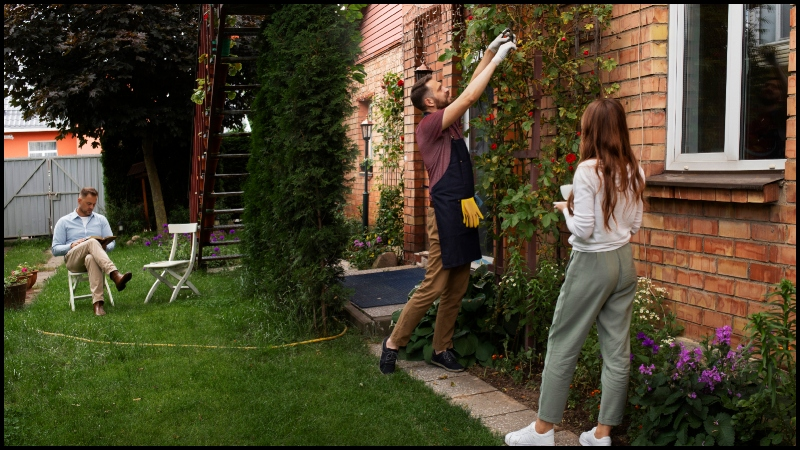
Most people look at the open area behind their house and see leftover land. I used to do the same. My backyard stayed empty for a long time. Sometimes we used it for a quick barbecue or the kids played there for a while, but most days it just sat unused. That changed when I stopped treating it as leftover space and started seeing it as a real part of the home, the same way I see the living room or kitchen. Once that thought settled in, backyard renovation decoradyard stopped feeling like a big project and started feeling like a natural next step.
Important Pinpoints
- The biggest shift is mental: treat the backyard as part of the home, not leftover land.
- No large budget or fancy design is required.
- Practical additions work best: plants in pots, strong chairs, a small table, simple shade, and soft evening lights.
- Comfortable, weather ready furniture matters more than perfect looks.
- Small, useful changes are enough to make the family want to spend time outside.
- The goal is regular use and calm moments, not a magazine picture.
Changing How You See the Backyard
The first real step was not buying anything. It was deciding that the space behind the house belongs to daily life the same way the rooms inside do. When you keep calling it leftover land, you leave it empty. When you start calling it part of the home, you naturally want to make it better. That change in thinking is what opened the door to backyard renovation decoradyard for me. I did not plan a full redesign. I simply asked what would make people actually walk outside and stay there for a while.
Once that question became clear, the rest followed without pressure. I kept the focus on real life instead of trends. The space needed to feel inviting on ordinary days, not only on special occasions. That meant choosing things people would use, not things that only looked good in photos.
Starting With Plants and a Sense of Life
I began with plants and flowers in pots. Nothing complicated. Just enough green to make the area feel alive instead of bare. The moment the plants went in, the space stopped looking abandoned. Green softens hard edges and makes an open area feel cared for. I did not dig up the ground or create permanent beds. Pots kept everything flexible and easy to move if needed.
That small addition already changed the mood. An empty concrete or dirt patch can feel cold. A few living plants make the same spot feel warmer and more welcoming. It was a low-effort way to signal that someone had thought about the space.
Adding Seating People Actually Use
Next came two strong chairs and a small table. I chose pieces that felt solid and comfortable rather than stylish. The chairs needed to handle weather and still feel good to sit in for more than a few minutes. The table was just large enough to hold drinks or a simple meal. Together they created a reason to stay outside instead of walking back indoors after a short look around.
I also added a simple shade. Without shade, the space stays useful only in the early morning or late evening. A basic cover made it possible to sit during the day without getting too hot. These three things chairs, table, and shade turned an open area into a place where people could settle in.
Soft Light for Evening Hours
Daytime use is important, but evenings often bring the quieter family moments. Soft warm lights and a few candles made the space feel calm after sunset. Bright overhead lighting can feel harsh. Warm, gentle light invites people to linger. It does not need to be complicated. A couple of well-placed lights and candles were enough to change the atmosphere.
With these pieces in place, the backyard stopped being a place we only visited for specific activities. It became a place we went simply to sit and talk or to sit and rest.
Why Keeping It Practical Works Better
I never tried to create a perfect outdoor room that looked ready for a magazine. I focused on what the family would actually use. Furniture stayed comfortable and suited to the weather. Everything stayed simple so it would not demand constant upkeep. This approach is the heart of backyard renovation decoradyard as I understand it.
When you chase a polished image, you often end up with pieces that look nice but feel stiff or get used only for photos. When you choose things for real life, people return to the space on ordinary days. That regular use is what turns an empty patch into a calm part of the home.
The same thinking applies to budget. I did not set aside a large amount of money. I added only what felt necessary and useful. Small, thoughtful changes proved enough. You do not need to fill every corner. You only need to give people a clear reason to come outside and stay.
The Space the Family Now Uses
Today the backyard is no longer empty. Family members go there to talk, to relax, or simply to sit for a while. The moments are ordinary a conversation after dinner, a quiet stretch of time in the evening, kids nearby while adults rest. Those small moments matter because they happen regularly.
The space now feels like a natural extension of the home rather than an afterthought. That was the whole point. Backyard renovation decoradyard, in this case, did not mean a dramatic transformation. It meant making the area feel open, comfortable, and ready for everyday life.
Staying simple, watching the budget, and choosing only what people will truly use turned out to be the most effective path. The plants, the solid chairs, the shade, and the soft lights did more than decorate. They invited people outside. Once people started using the space, the empty feeling disappeared on its own.
Conclusion
An empty backyard does not have to stay that way. The shift begins when you stop seeing it as leftover land and start treating it as part of the home. From there, practical choices do the rest. Plants bring life. Strong seating and shade make the space usable. Soft light extends the hours people want to spend there. None of these steps require a large budget or a complicated design. They only require attention to what will actually get used.
That is what backyard renovation decoradyard means in real life. Keep it simple. Focus on comfort and usefulness. Let small, considered changes do the work. The result is not a showpiece. It is a calm, regular place where family moments happen without effort.
FAQs
Do I need a big budget for backyard renovation decoradyard?
No. The changes described here stayed practical and modest. Focus on useful pieces rather than expensive ones.
Is fancy design necessary?
No. Comfortable, weather-ready items that people will actually sit on and use matter more than a polished look.
What if the space is completely empty right now?
Start with the mindset that it belongs to the home. Then add a few plants, solid seating, shade, and soft evening light. Those steps alone can change how the space feels and gets used.
How do I know when the space is working?
When family members begin going outside on ordinary days just to sit, talk, or rest, the space has become part of daily life.