
Renovating a house is more than just updating rooms it is about making the place work better for the way you actually live. When the structure, the budget, and the decorating decisions all support each other, the result feels calm, useful, and lasting. Here is straightforward guidance that focuses on real decisions rather than trends or quick fixes.
Start with Clear Thinking, Not Tools
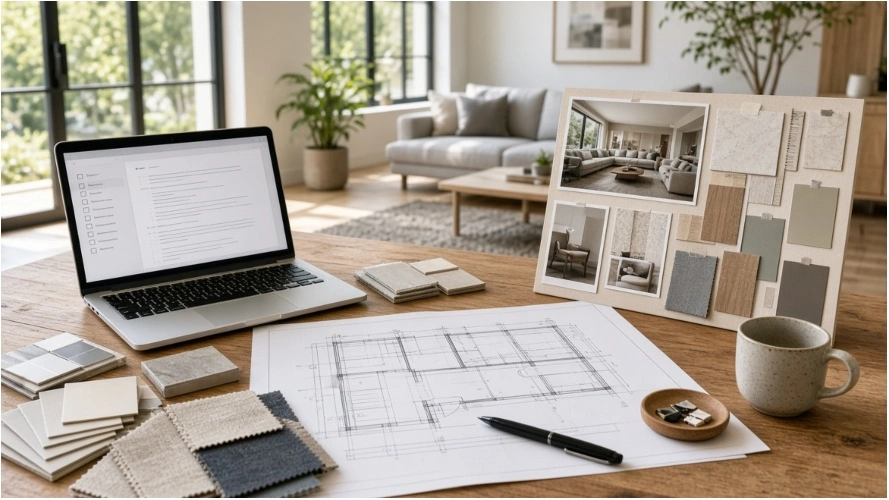
Before anyone opens a wall or picks a paint colour, decide what you want the finished house to do for you. Walk through each room and ask simple questions: Does this space support our mornings? Can people move easily? Where does the clutter collect? Write down the answers. Separate the things you truly need from the things that would simply be nice. This written list becomes the foundation of the whole project and stops expensive changes later.
Set a realistic budget and protect it with a contingency. Most full renovations need 20–30 percent extra for the surprises that always appear old wiring, hidden damp, or decisions that change once the space is open. Keep one clear list of every cost so you always know where the money is going. Decide early which elements deserve more of the budget and which can stay simpler.
Choose the people carefully. The cheapest contractor often becomes the most expensive once change orders start. Bring design thinking in early so layouts, lighting points, and finishes are decided before the building work begins. That coordination saves both time and money.
Work in the Right Order
Some jobs must come first. Fix the structure, the roof, the plumbing, the electrics, and the insulation while the walls are open. These systems affect everything that follows. Doing them later means tearing out new finishes a costly and frustrating mistake.
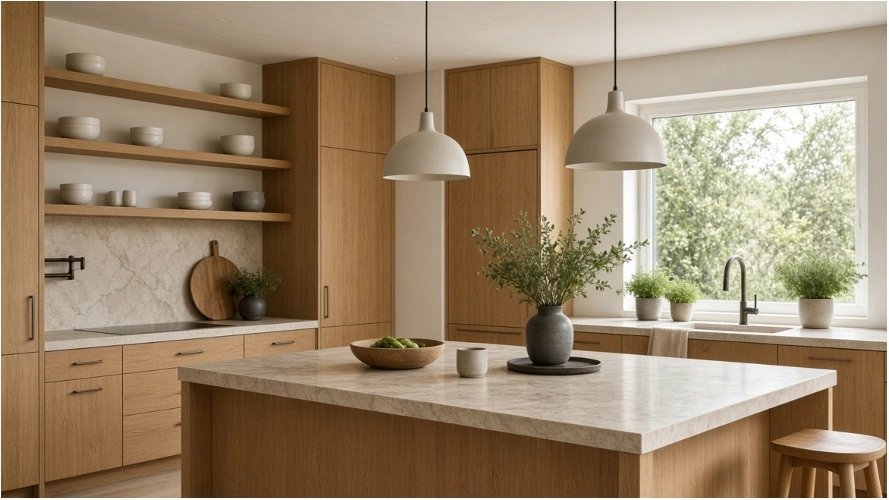
Kitchens and bathrooms usually make the biggest difference to daily life and to the overall feel of the house, so they often come next. Floors and final decorative finishes should wait until the heavy work is finished. Installing a beautiful floor only to damage it during the rest of the project is a common and avoidable error.
Wherever possible, keep pipes and wires in their existing positions. Moving them adds significant cost. Put more of the budget into things that are hard to change later windows, exterior materials, flooring quality, and the basic shape of the rooms.
Design for How You Live, Not for Photographs
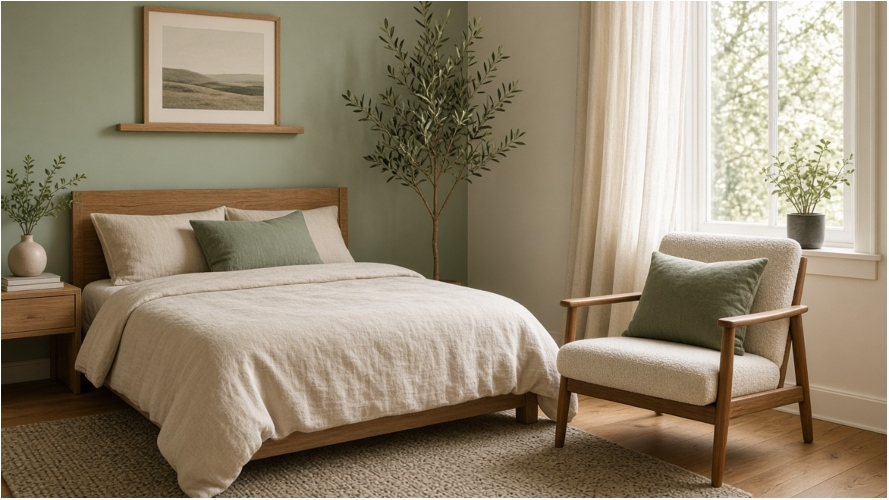
Trends come and go. Rooms built only to look current often feel dated within a few years. Instead, choose colours, materials, and furniture that support the way your household actually uses the space. Warm, natural tones such as soft terracotta, olive, sage, and deeper browns tend to create rooms that feel settled and comfortable. Combine solid materials like wood and stone with softer textures so the house feels layered rather than flat.
Pay attention to light. Notice how the sun moves through the house at different times of day. Use lighter colours and simple window treatments where you want openness. Darker tones work well in rooms that should feel more enclosed and restful. Mirrors placed thoughtfully can bounce light deeper into a space without any construction work.
Furniture arrangement matters more than most people realise. Leave clear pathways. Give each room a quiet focus a fireplace, a window, a piece of art and then arrange the seating around it. Mix different scales and textures so the room does not feel rigid. In older houses, respect the original proportions when they are good. When they are not, introduce clean, honest modern details rather than trying to invent a history that was never there.
Finishing Details That Make the Difference
Plan the lighting properly from the beginning. One overhead light is rarely enough. Combine ambient light, task light, and a few softer sources so the mood of the room can change. Dimmer switches make a bigger difference than people expect.
Hardware and small fittings are easy to overlook, yet they are touched every day. Choose pieces that feel solid and will age well. Mixing complementary metal finishes can add quiet interest when done with care.
Measure carefully before buying furniture. Sketch the rooms roughly to scale so you know what will fit and what will block movement. Place the largest pieces first, then add rugs, textiles, and art. Hang pictures so the centre of the work sits roughly at eye level most people hang them too high.
You do not need to buy everything new. Repainting or recovering existing furniture, finding good second-hand pieces, and concentrating spend on one strong element (a kitchen worktop, a bathroom feature wall, or better lighting) often produces a more personal and better-looking result than replacing everything at once.
Outside matters too. Simple improvements to the entrance, the planting, and the outdoor lighting make the whole house feel more cared for the moment you arrive.
Build for Comfort and Longevity
Good insulation and careful sealing of gaps usually improve comfort more than almost any decorative choice. Better windows, efficient lighting, and materials that wear honestly rather than needing constant replacement all contribute to a house that feels good to live in year after year. Keep the overall level of finish consistent with the surrounding area so the renovation supports the house rather than fighting it.
What to Avoid
Do not start without a written plan and a protected budget. Do not keep old building mistakes simply because they are already there. Do not choose a contractor only on price. Do not install the final floors or delicate finishes too early. And do not design purely for photographs or future buyers if the result will not serve the people who live there every day.
A successful renovation is not about perfection or following the latest look. It is about clear priorities, the right sequence of work, and choices that support daily life. When the planning, the structure, and the decoration stay in conversation with each other, the house becomes more comfortable, more useful, and more pleasant to come home to and those qualities last long after any particular trend has moved on.